Patterns often guide attention before logic has time to react, shaping how screens are read and understood. Subtle colors, motion rhythms, and symbol timing quietly train perception during repeated sessions. Within this context, slot gacor appears as a familiar phrase tied to expectations, not guarantees. The idea behind Visual cue literacy enhancing interpretation of slot progression signals rests on learning what visuals suggest rather than assuming outcomes. Awareness grows when observation replaces impulse, allowing signals to feel less mysterious. That shift supports steadier engagement and clearer judgment without leaning on assumptions.
Visual patterns shaping player awareness
Icons, highlights, and movement flows often suggest progress without stating it directly. When users recognize these signals, attention shifts from guessing to reading on-screen behaviour. This awareness builds confidence through familiarity rather than emotional reaction. Over time, recognition helps separate visual storytelling from actual result mechanics.
Symbol behaviour recognition essentials
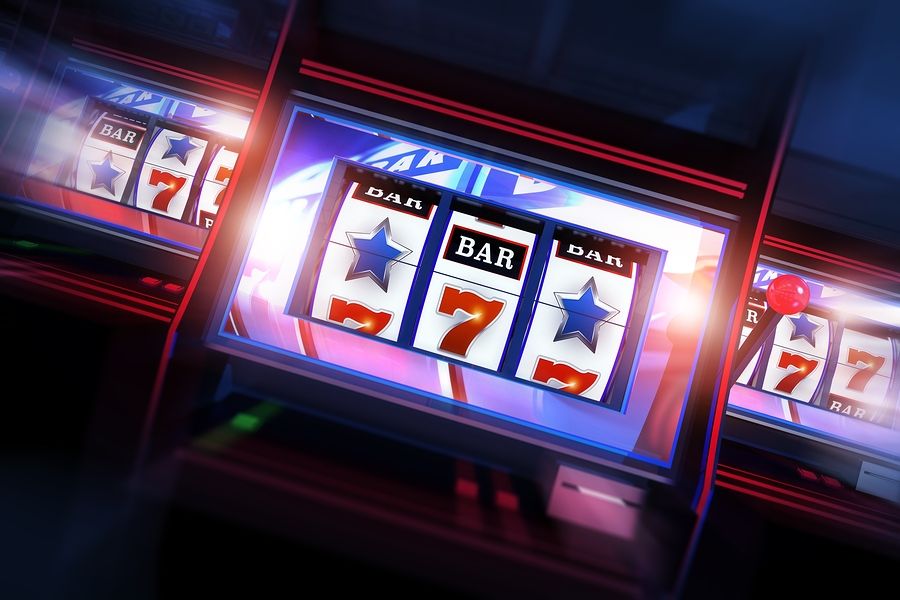
- Color shifts indicate state changes rather than promises of future outcomes
- Animation speed often reflects pacing logic, not reward probability
- Repeated icon flashes guide focus toward active reels visually
- Background transitions support mood without influencing result calculations
- Symbol clustering highlights engagement moments, not guaranteed advantage
- Light pulses reinforce interaction timing during spin sequences
- Frame borders subtly emphasize featured areas on the interface
- Sound-synced visuals improve memory of previous spin experiences
Interpreting progress without assumptions
Understanding progress requires noticing continuity instead of chasing isolated events. Visual feedback is designed to maintain clarity, not to signal certainty. Readers who decode these cues gain emotional balance during extended play. That balance encourages patience and thoughtful pacing over reactive decisions.
Why do visual signals influence perceived outcomes?
Visual signals carry meaning because the brain processes images faster than numbers or logic. Bright colors, motion loops, and rhythmic flashes create emotional impressions that feel predictive. When viewers lack visual literacy, those impressions may be mistaken for outcome patterns. Learning interpretation reframes visuals as guidance tools, reducing confusion and misplaced confidence.
Awareness improving controlled engagement
Literacy develops through repetition and conscious observation rather than shortcuts. Midway understanding often includes realizing slot gacor reflects perception shaped by visuals. This clarity reduces frustration and supports intentional choices. Controlled engagement grows when cues are seen as information, not instruction.
Cognitive clarity through interface familiarity
Familiar layouts lower mental strain and support smoother decision-making. Recognition replaces surprise, keeping attention steady across sessions. Users respond more calmly when visuals no longer feel random. That calm response strengthens long-term interaction habits.
Insightful closure perspective
Reading screens with trained eyes transforms the overall experience meaningfully. Visual literacy removes guesswork by aligning perception with design intent. Instead of chasing signals, users learn to interpret them calmly. This mindset shift defines Visual cue literacy enhancing interpretation of slot progression signals as a skill-based understanding. Such clarity supports informed engagement built on awareness rather than expectation.
